property
Prague's Letňany Soars: Undervalued District Outpaces Trendy Neighborhoods
While buyers scramble for flats in Žižkov and Holešovice, a northern suburb once dismissed as too far from the centre is quietly delivering the city's sharpest price gains.
How we reported this
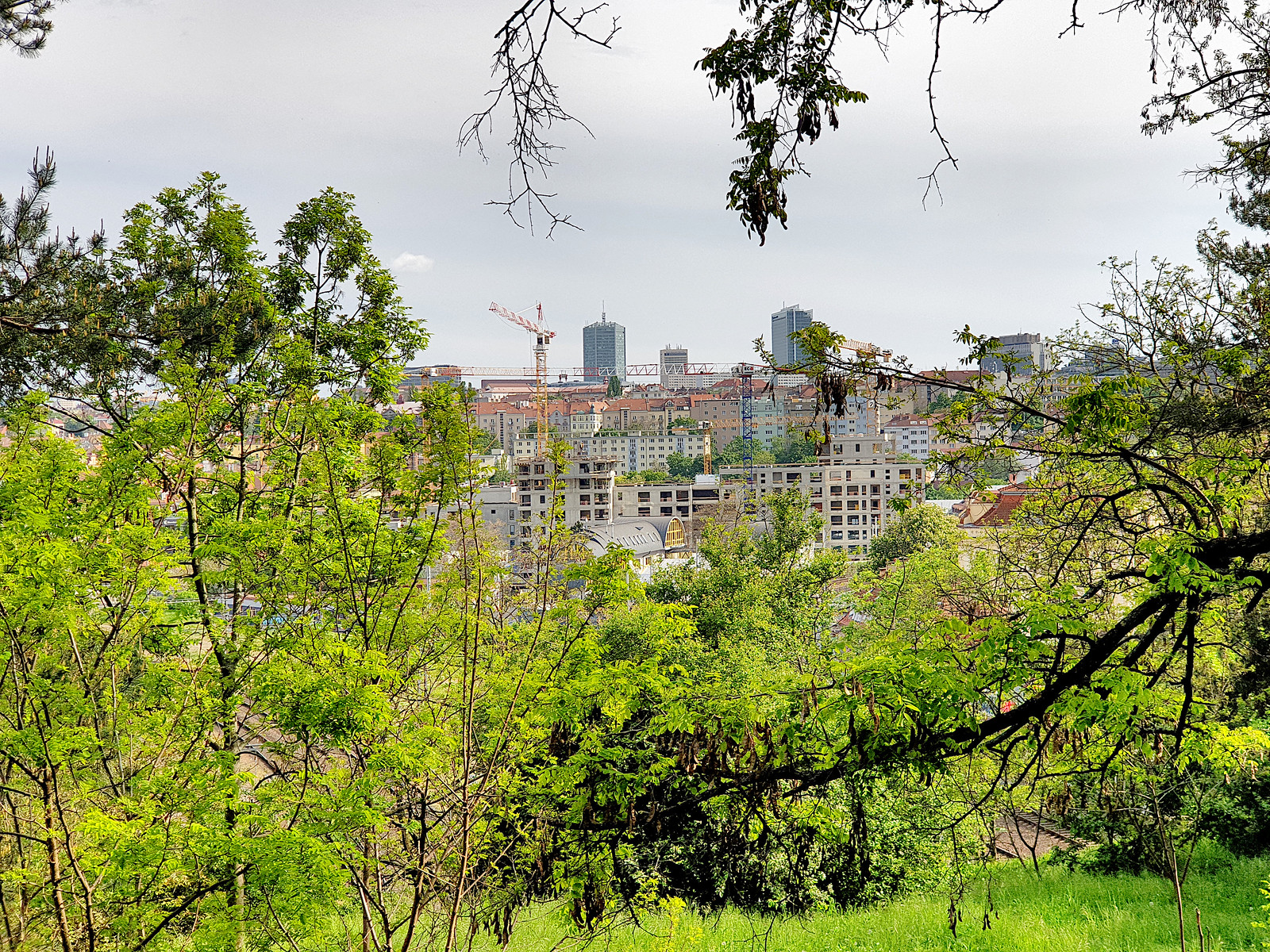
Letňany is winning. The Prague 18 district, anchored by its vast retail park and the O2 Universum arena on Veselská Street, recorded average asking prices for residential apartments of around CZK 95,000 per square metre in the first half of 2026, roughly 30 to 35 percent below comparable listings in Karlín or Vinohrady. Yet the gap is closing at a pace that has started attracting attention from investors who spent the previous decade fixated on the inner city.
Why now? Two factors converged in 2025 and are still playing out. Prague's Metro D line construction, progressing steadily toward its planned 2029 opening on the southern corridor, reminded buyers that unfinished infrastructure eventually gets finished, and that prices move well before ribbon-cutting day. Meanwhile, the Prague 18 municipal office approved an updated zoning framework in late 2024 that unlocked several brownfield parcels between Tupolevova Street and the Letňany industrial estate for mixed residential use. Developers responded quickly. Building permits in the district rose sharply in the first quarter of 2026, according to figures published by the Czech Statistical Office.
The neighbourhood is no longer purely a car-dependent edge-city afterthought. Tram line 17 was extended to Letňany náměstí in 2023, and the Metro C terminus at Letňany station already puts Muzeum, the heart of central Prague, about 22 minutes away. Families priced out of Dejvice or Střešovice have taken notice. Schools like Základní škola Letňany on Třebešovská Street are reporting higher enrolment inquiries from households relocating from Prague 6 and Prague 7, a sign that the district's demographic profile is shifting upward.
Where the Money Is Moving
The clearest signal is new development activity. The Trigema construction group, one of the more active Czech residential developers, has a project under way near the Letňanský park, a green belt running along the eastern edge of the district that most potential buyers do not realise exists until they visit. Central Group has also acquired land in the broader Letňany-Čakovice corridor, consistent with its stated strategy of building in Prague districts where land costs remain manageable relative to projected sale prices.
Older panel-flat stock, the prefabricated sídliště blocks that define the streetscape along Mirovická and Bártlova, still trades at a discount to new build, typically between CZK 78,000 and CZK 88,000 per square metre depending on floor, condition, and whether the lift has been modernised. That spread represents the opportunity. Buyers willing to spend CZK 200,000 to CZK 350,000 on a renovation are entering at a basis still well below what equivalent modernised stock commands in Prague 9 districts like Prosek or Střížkov, which have already re-rated over the past four years.
The retail infrastructure, long considered a selling point for residents but an aesthetic liability for the area's reputation, is maturing. The Letňany Shopping Centre on Veselská has undergone multiple refits and now hosts a wider range of food and service tenants than it did five years ago. That kind of amenity density matters to young families and to the rental market, where demand from employees working in the adjacent Letňany industrial and logistics zone keeps vacancy low.
What Buyers and Investors Should Know Before Moving
The district is not without friction. Parts of the sídliště suffer from tired public realm, cracked pavements, underfunded green spaces, ageing playgrounds, and the Prague 18 municipal budget is not large enough to accelerate improvements without central city support. The revised zoning framework helps with new projects but does nothing immediately for existing stock.
The practical advice for anyone considering a purchase here: move before the Metro D opening narrative fully captures market attention. History in Prague suggests prices in stations-adjacent districts re-rate two to three years ahead of an opening, not after it. Letňany already has Metro C; the psychological proximity to Metro D, even at the system's opposite end of town, has started showing up in buyer inquiries tracked by agents operating in the area.
Flat prices in central Prague continue to push beyond CZK 150,000 per square metre in premium Vinohrady addresses. Letňany, at roughly 40 percent of that figure, remains one of the few places in the city where the arithmetic of a buy-to-let or owner-occupation decision still works without heroic assumptions about future growth.
This article is general information only and is not personal financial or investment advice. Consider your own circumstances and seek licensed professional advice before making financial decisions.