property
Prague Building Density Rules 2024: New Planning Restrictions
Prague's new density controls limit floor-area ratios and residential units across Vinohrady, Žižkov, and central districts following July 2024 planning framework overhaul.
How we reported this
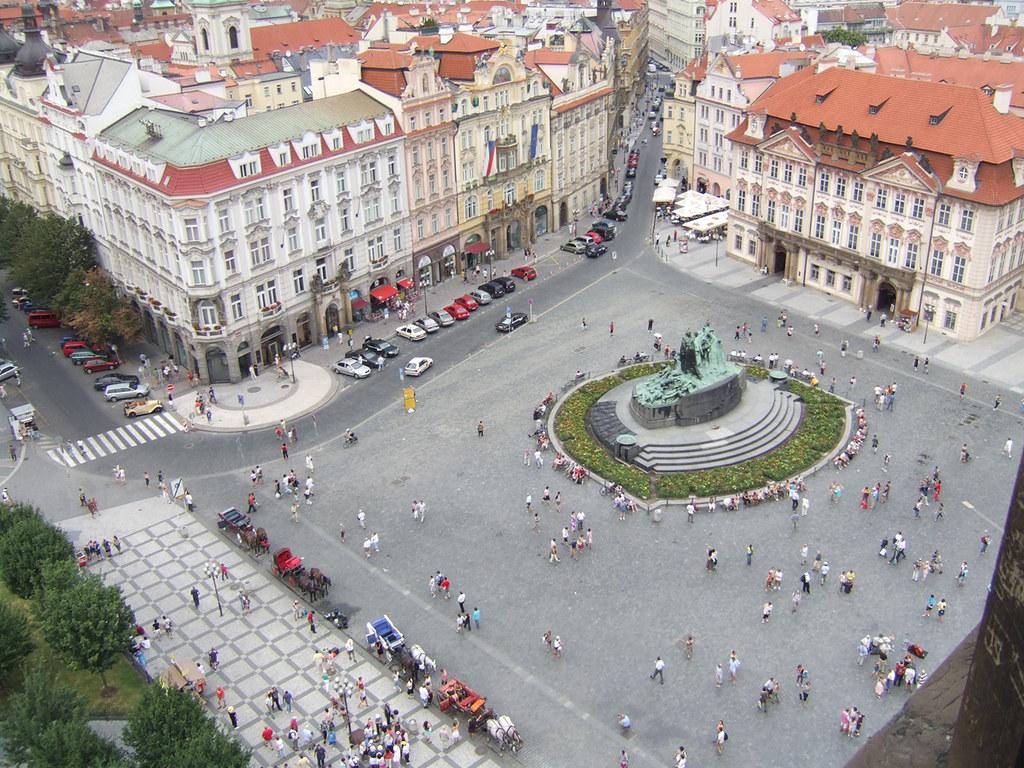
Prague's city council has quietly adopted stricter density controls that will constrain future development across multiple neighbourhoods, marking the most significant planning shift since the 2017 zoning updates. The new regulations, which took effect on July 1, lower maximum floor-area ratios in central districts and impose hard caps on residential unit counts per hectare in areas from Vinohrady to Žižkov.
The changes come as developers and property investors voice frustration with a system they argue has already produced piecemeal development and architectural inconsistency. Prague's real estate market has cooled noticeably since 2024, with apartment prices in prime locations around Nerudova Street and the Old Town Square holding flat while suburban purchases drive activity. Planning uncertainty has left several major projects in limbo.
The council's planning department confirmed the shift affects roughly 40 percent of Prague 2 and Prague 3, the districts where construction activity has been most intense. A spokeswoman for the Prague Municipal Planning Office said the revisions respond to resident complaints about overcrowding and strain on infrastructure, though no formal public consultation preceded the changes. Nové Město, Prague's densest historic quarter, now faces a maximum ratio of 2.5 floor-area-to-land rather than the previous 3.2, a cut that will eliminate an estimated 15,000 to 20,000 potential residential units citywide over the next decade.
Who Pays for the Slowdown
Developers with landholdings in Vinohrady report recalculating project economics from scratch. One mid-sized firm that owns two adjacent parcels on Belgická Street, earmarked for a 200-unit mixed-use complex, faces a redesign that reduces unit count by roughly 30 percent. Real estate brokers expect this to push prices upward for already-approved permits in central neighbourhoods, while suburban zones like Letňany and Stodůlky may see speculative buying as developers hunt for underutilised land.
The density reductions come paired with heightened design scrutiny. The council's new guidelines require all residential projects above 1,500 square metres of floor area to undergo aesthetic review by a panel that includes architects and heritage specialists. The Czech Chamber of Architects praised the move, noting that Prague's skyline has absorbed contradictory styles over the past decade-a consequence, they argue, of reviewing applications in isolation rather than considering cumulative visual impact across districts. Buildings on Revolucní and near Florenc metro station drew particular criticism for lacking coherence with neighbouring structures from the Art Nouveau and Socialist Modernist eras.
Enforcement remains an open question. The council has not yet detailed how many staff will review applications under the new framework, and planners interviewed informally expressed doubt about capacity. Average processing time for residential permits now stretches to eight months, up from four in 2022.
Market Impact Already Visible
Property listings show the shift is already reshaping investment calculations. Square-metre prices for approved development sites in Nové Město have jumped 12 percent since late June, while prices for vacant land in central Prague hold steady-investors awaiting clarity on what the new rules allow. The largest Czech real estate brokerage networks report a spike in enquiries about existing residential buildings in Prague 1 and Prague 2, as buyers recognise that replacing aging stock with new apartments will face tighter constraints.
The council will accept appeals through September 15. Developers holding permits issued before July 1 can proceed under old rules, creating a narrow window of advantage for projects that were in advanced stages. Investors should expect that future projects will command lower density approvals, making suburban holdings and properties with existing residential-use designations more defensible assets. The planning office plans a public information session in August to clarify technical provisions-a forum where developers and architects can flag unintended consequences before the rules bed in.
This article is general information only and is not personal financial or investment advice. Consider your own circumstances and seek licensed professional advice before making financial decisions.