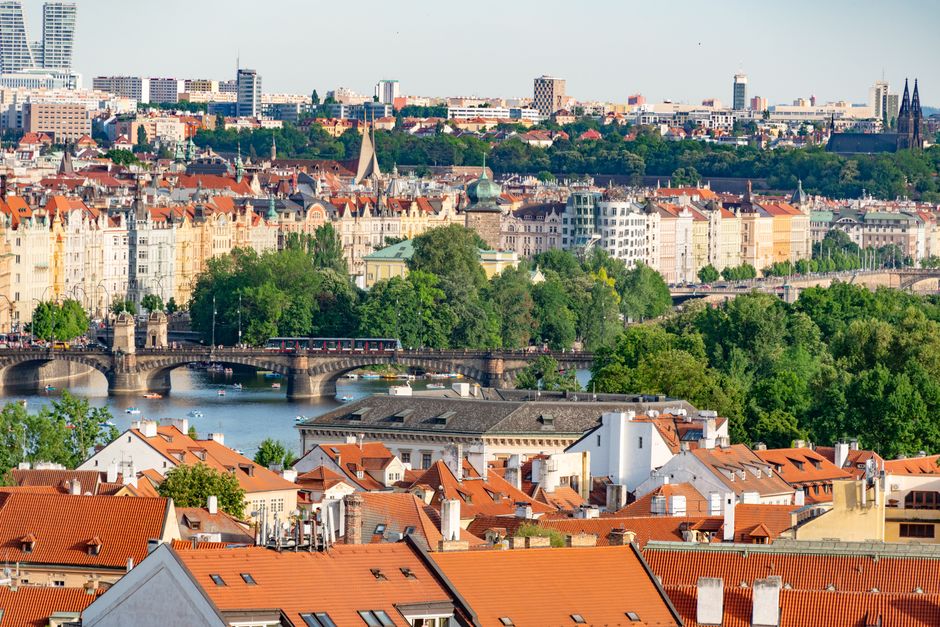
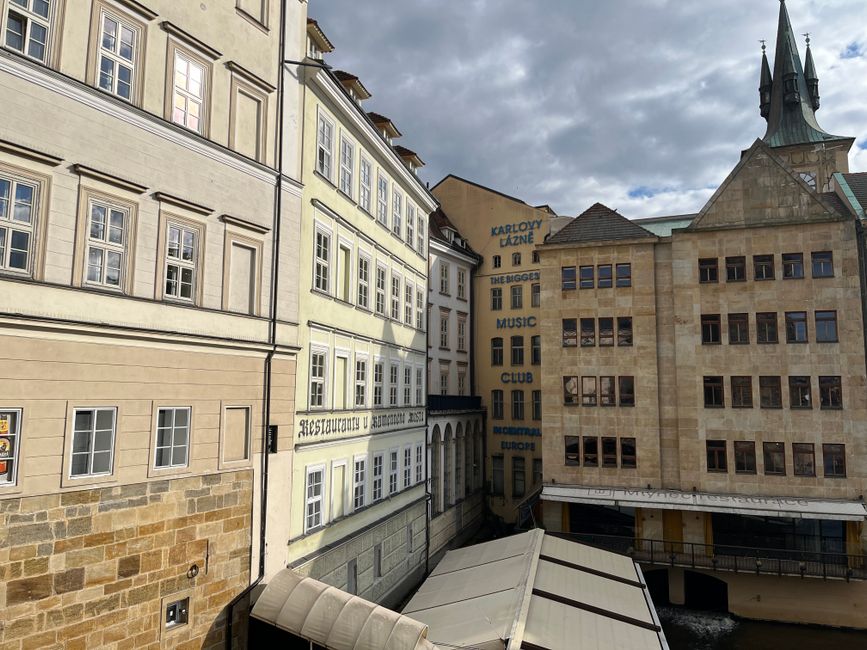
Vinohrady recorded average apartment sale prices of 145,000 CZK per square metre in the first half of 2026, according to data compiled by the Czech real estate portal Sreality.cz — a figure that sounds alarming until you compare it with Malá Strana, where comparable flats are clearing 185,000 CZK per square metre and frequently topping 200,000 CZK in off-market deals near Nerudova Street. The gap is narrowing, but it has not closed. For buyers who missed the Žižkov story a decade ago, Vinohrady is the argument they keep returning to.
The timing matters for a specific reason. Prague's City Hall approved the updated Metropolitan Plan in May 2026, rezoning several parcels along Vinohradská třída for higher-density mixed-use development. That regulatory shift, combined with the long-delayed extension of metro line D — whose Náměstí Míru interchange upgrade is now funded and under contract — is compressing a window that patient investors have been watching for three years. Once the metro construction crews move in around Náměstí Míru in earnest next spring, buyer sentiment will shift, and it will shift fast.
What Makes Vinohrady Different From the Rest of the Premium Belt
The neighbourhood's structural advantage is its housing stock. The boulevards running south from Náměstí Míru — Mánesova, Blanická, Máchova — are lined with late-Habsburg apartment buildings constructed between 1895 and 1914. These are not thin-walled panel flats. Ceiling heights run to 3.4 metres in most pre-war units, and the buildings sit on plots wide enough to have rear courtyards, which developers and homeowners have steadily converted into private gardens. That physical quality sets a floor under prices that younger, denser districts simply cannot replicate.
Riegrovy sady, the 13-hectare park sitting at the neighbourhood's northern edge, functions as an amenity that residential agents openly cite in listings. The park draws a weekend crowd large enough to sustain the beer garden at its summit year-round from April through October. On the commercial side, Vinohradský pavilon on Vinohradská 50 — the restored 19th-century market hall — anchors a retail and dining cluster that has attracted tenants including several of Prague's better-regarded independent restaurants and a Billa supermarket operating on a long lease. Foot traffic through that corridor stayed strong even through the sluggish retail months of early 2025.
Rental yields tell the same story. A renovated 60-square-metre two-bedroom on Korunní Street was listed at 32,000 CZK per month in June 2026 — a 6.4 percent gross yield on its 2024 purchase price of 6 million CZK. That is not spectacular by the standards of, say, Holešovice in 2018, but it is steady, and the tenant pool in Vinohrady skews toward long-term renters: expat professionals, diplomats attached to the embassies clustered on Italská and Chopinova, and Czech families who have no interest in moving to the outer districts regardless of price pressure. Vacancy rates in the postcode run below 2 percent, brokers at Lexxus Norton report.
Where Buyers Should Look Before Prices Converge
The value pockets that remain are concentrated on the district's eastern flank, between Korunní and the boundary with Žižkov near Seifertova Street. Here, buildings that have not yet undergone full reconstruction are still trading at a 15-to-20 percent discount to fully renovated stock on the same street. A raw flat needing a complete fit-out — new wiring, bathroom, kitchen — can still be acquired around 120,000 CZK per square metre. Budget 25,000 to 35,000 CZK per square metre for a competent renovation through one of the licensed contractors advertising through the Prague 2 municipal notice board, and the total cost still sits below the district average for finished product.
Buyers should move before the autumn parliamentary session, when a proposed amendment to the Czech Property Acquisition Tax is expected to receive its second reading. The amendment would restore a buyer-side levy of 4 percent on residential transactions above 10 million CZK — a threshold that most Vinohrady two- and three-bedroom flats now breach. Conveyancing lawyers at several central Prague firms say transaction volumes have already ticked up through June as clients try to complete before any change takes effect. The window is open. It will not stay open indefinitely.