Property
The Rent-Vesting Strategy Explained for This Market
Young Prague professionals are skipping home ownership in Žižkov for suburban investments as 'rent-vesting' takes hold.
3 min read
Updated 1 h ago
Property
Young Prague professionals are skipping home ownership in Žižkov for suburban investments as 'rent-vesting' takes hold.
3 min read
Updated 1 h ago
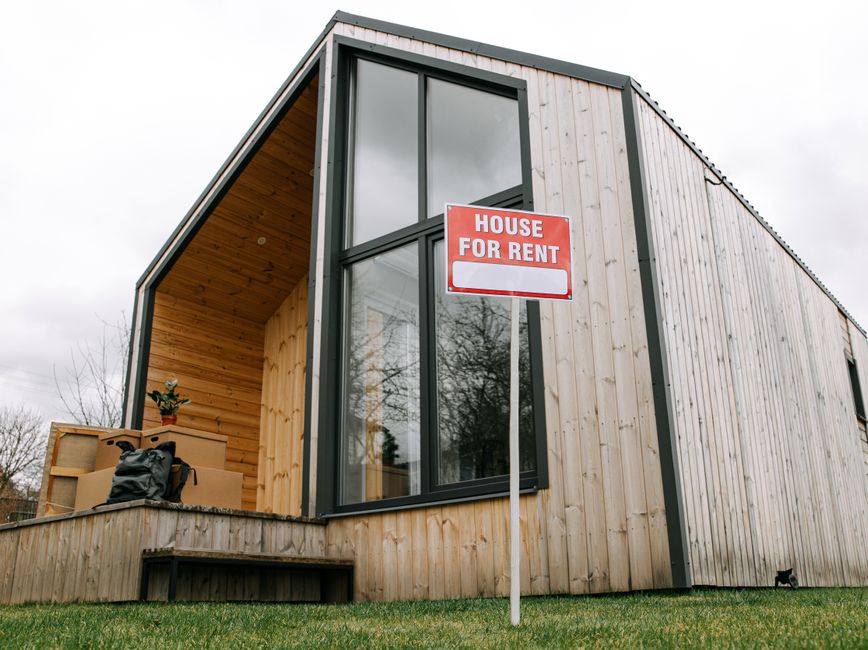
Rising mortgage rates and double-digit rent hikes are driving Prague residents toward a rent-vesting strategy — renting in the city centre while investing in more affordable properties far from the River Vltava. Analysts from Lexxus Norton say this hybrid approach is gaining momentum as local buyers attempt to build wealth without giving up city living.
Mounting uncertainty over affordability makes the question of buying or renting more urgent in Prague this summer. Mortgages with fixed rates above 5% have made once-routine purchases out of reach for many under-35s earning in tech hubs on Karlovo náměstí or law firms in Nové Město. Meanwhile, rents have jumped as much as 15% this year, according to consultancy Deloitte, especially in sought-after districts like Vinohrady and Holešovice.
Rent-vesting — renting in city districts like Staré Město or Letná, while buying investment properties in outlying areas such as Hostivař or Zbraslav — has become the strategy du jour for upwardly mobile professionals. "Many clients are now buying investment flats in Háje and Černý Most, where prices per square metre remain below CZK 90,000, while continuing to rent smaller but high-quality units in the centre," said a manager from the property firm REAS. The Lokatio property portal has reported a 20% spike in search activity for rents in Vinohrady, even as listings for sales in Prague 9 suburbs see greater interest from first-time buyers.
According to Katastr nemovitostí (the Czech Land Registry), the median apartment price inside Prague 1 is now over CZK 168,000 per square metre. In contrast, three-room apartments in Chodov or Stodůlky — popular with new investors— regularly list for a third less. As a result, young professionals are living in long-term rentals close to offices or social life, while buying to let further out, hoping to ride out price growth and rental demand in the city’s periphery.
The Czech National Bank’s latest figures show the average Prague mortgage in Q2 2026 hovers around CZK 5.2 million, with monthly repayments hitting CZK 31,600 at current rates. Meanwhile, average rents for a one-bedroom flat in Vinohrady have climbed to CZK 27,000/month, up from CZK 23,600 a year ago. For many, this means ownership in the centre is unaffordable, but a modest purchase in Modřany, for instance, is manageable — and can be rented for CZK 18,000-20,000 a month, often covering the mortgage.
Housing program changes by the Prague City Council and the Ministry for Regional Development, such as the planned extension of the “Můj Nový Domov” subsidy to new-build apartments outside the Ring Road, may also expand options for aspiring rent-vestors in 2027.
For Prague residents weighing their options, the next few quarters are crucial. Financial planners at Partners suggest crunching the numbers on net yields and running worst-case vacancy scenarios before buying to let beyond the city’s historic core. With continued inflation pressures and development lagging public demand by an estimated 2,800 flats (according to Deloitte’s '2026 Prague Housing Report'), the rent-vesting approach may offer a middle road—but it's not risk-free. Those considering the mix of city renting and outer-district buying should track subsidy deadlines and watch for policy shifts that could affect mortgage access or rent controls.
Property

Property

Property
Property
About this article
Published by The Daily Prague
Spread the word
Daily brief
Free, in your inbox before 7am. Weekdays.
The Daily Network — local news across Australia