Property
Regional Rental Markets Narrow the Gap, But Prague Still Outpaces on Costs
New analysis reveals Czech regional cities are closing the affordability gap, but Prague renters and buyers continue to pay a premium.
3 min read
Updated 14 h ago
Property
New analysis reveals Czech regional cities are closing the affordability gap, but Prague renters and buyers continue to pay a premium.
3 min read
Updated 14 h ago
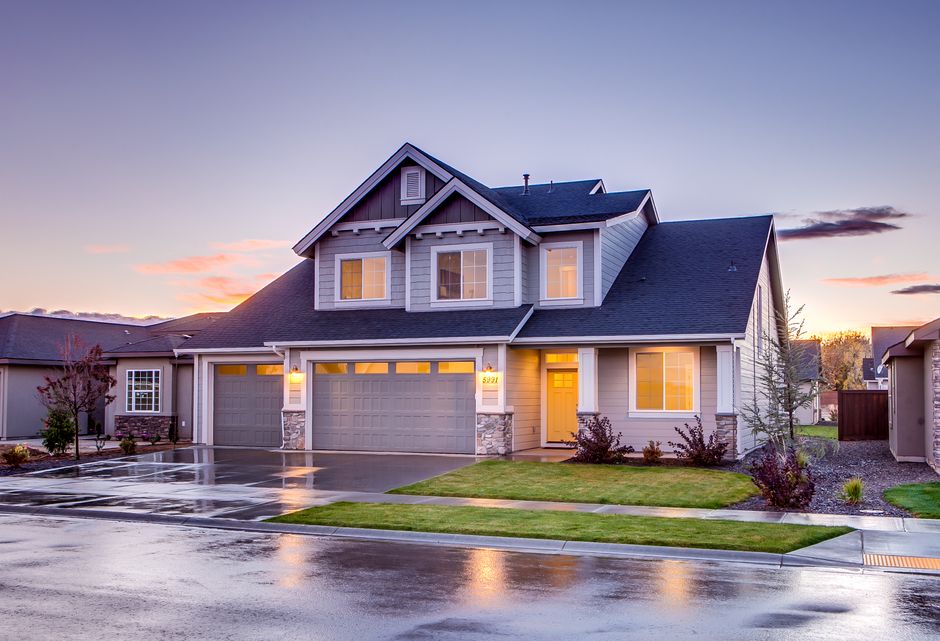
Renting a two-bedroom flat in the heart of Prague now costs tenants an average of 34,000 CZK per month, a figure that outpaces both household wage growth and the going rate for similar properties in regional cities like Brno and Ostrava. Meanwhile, the cost to buy a centrally located apartment has climbed to an eye-watering 154,000 CZK per square meter in Prague 2, cementing the capital’s reputation as the country’s most expensive housing market.
As hundreds of university graduates and young professionals descend on the city this summer, the affordability squeeze is once again in the spotlight. At stake is more than just a place to live: experts at the Czech Banking Association warn that housing costs are increasingly shaping decisions about where people study, work, and start families. That has sparked renewed debate about how long Prague can maintain its economic edge over the country’s growing regional hubs.
Malá Strana and Karlín, two Prague neighborhoods popular for their transit links and café culture, continue to attract high-earning tenants willing to pay a premium for location. According to data tracked by SVJ Praha, rental listings for a renovated one-bedroom on Smetanovo nábřeží averaged 29,500 CZK per month in June—more than double the rate in Olomouc or Plzeň. Meanwhile, city-backed incentives like the Prague Housing Fund, set up to make starter apartments more accessible, have struggled to keep pace with both demand and prices. The Fund approved just 312 new loans in the first half of 2026, a fraction of the capital’s annual need.
Fresh numbers from the Czech Property Price Index, released yesterday, show the divergence starkly. While Prague rents have risen by 7.8% year-on-year, renters in Brno and Ostrava saw just a 2.5% increase since July 2025. The average monthly rent for a two-bedroom flat in central Brno now stands at 20,600 CZK—a solid 39% cheaper than the Prague equivalent. Meanwhile, buyers face an even greater gulf: the average price per square meter for a new build in Ostrava’s city center settled at 61,200 CZK last month, compared to 152,800 CZK in Prague 1. That means monthly repayments on a typical 70 square meter mortgage in Prague now consume 68% of the average net salary, compared with 41% in regional hubs.
So what’s driving the capital’s juggernaut status? Experts point to a tight rental supply, limited land for new developments—particularly near metro lines C and A—and persistent demand from both foreign and local white-collar professionals. Prague’s top-rated schools and international employers, including Avast and Deloitte’s River City campus, continue to lure talent even as other cities vie for attention.
For would-be tenants and buyers weighing their options, agents say flexibility is key. With the academic year starting in September, property viewings in Prague’s Vinohrady and Žižkov neighborhoods are often booked out three weeks in advance. Regional cities may offer savings, but work-from-home jobs or hybrid commutes remain rare: most major employers, from ČEZ to the EU Agency for the Space Programme, keep their HQs in Prague.
As the government prepares its autumn review of housing support programs, analysts expect the affordability gap to stay wide—at least in the near term. For now, the real choice for many Czechs remains unchanged: pay up for Prague, or pocket the savings in the regions and accept a longer train ride to the capital.
Property
Property
Property
Property
About this article
Published by The Daily Prague
Spread the word
Daily brief
Free, in your inbox before 7am. Weekdays.
The Daily Network — local news across Europe