wellness
Prague's Fermented Food Scene Boosts Local Gut Health Trends
From Žižkov kvass bars to Vinohrady delis, Prague's fermented food scene is quietly becoming one of the city's most compelling wellness stories.
How we reported this
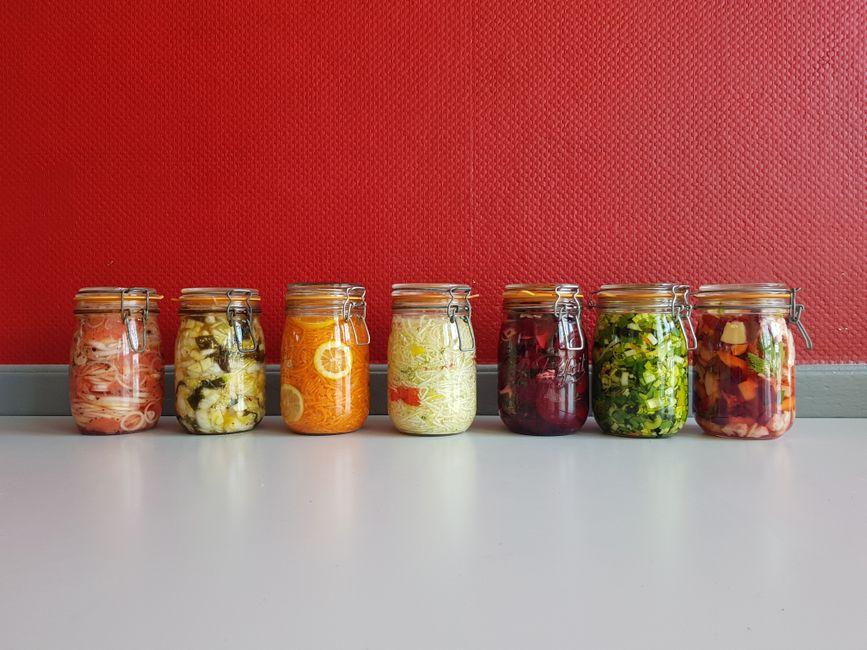
Sales of fermented foods at Prague's farmers markets rose roughly 35 percent between 2023 and 2025, according to figures compiled by the Prague City Hall agricultural market programme. The trend is not accidental. It tracks a surge of clinical interest in the gut microbiome, the roughly 38 trillion bacteria living in your digestive tract, and a growing body of research suggesting that fermented foods can measurably shift that microbial community toward better health outcomes.
The timing matters. European gastroenterology researchers published findings in early 2026 showing that regular consumption of traditionally fermented foods correlates with lower inflammatory markers in adults aged 30 to 60. Gut health has graduated from niche wellness chatter to mainstream nutritional guidance, and Prague, with its deep Central European traditions of pickling, fermenting and culturing, finds itself sitting on a larder full of the right ingredients.
What to Look For and Where to Find It
Start with zelí. Fermented white cabbage, essentially the Czech cousin of German sauerkraut, has been a staple of Bohemian kitchens for centuries, and it remains one of the cheapest, most accessible sources of live Lactobacillus bacteria you can find in the city. Naše Maso, the acclaimed butcher and deli on Dlouhá Street in the Old Town, stocks house-prepared zelí alongside its cured meats. A 500g jar runs around 65 CZK. Fermented cucumber nakládané okurky, a different creature from vinegar pickles because they are brined rather than acidified with acetic acid, appear at nearly every stall at the Manifesto Market in Holešovice, particularly from smaller regional producers operating on weekends.
Kefir deserves its own paragraph. This fermented milk drink, thick and slightly sour, contains a far wider spectrum of bacterial strains than standard yoghurt, some producers report upward of 30 distinct species per culture. Mlékárna Bohemilk, which distributes through Albert and Billa supermarkets across the city, sells plain drinking kefir for around 30 CZK per litre. For a more curated experience, the health food shop Náš Grunt on Mánesova Street in Vinohrady stocks small-batch kefir from South Bohemian farms, along with kombucha brewed in Brno by a producer called Kombuchárna. A 330ml bottle costs 79 CZK.
Kvass, a lightly fermented bread drink with deep Slavic roots, has made a minor but genuine comeback in Žižkov, where two craft-drink bars added it to their non-alcoholic menus in spring 2026. The drink, fermented for 24 to 48 hours from rye bread, sits at roughly 0.5 percent alcohol and delivers a modest hit of B vitamins alongside its probiotic content.
What the Science Actually Says
The excitement around fermented foods is real but requires some calibration. A 2021 Stanford University study published in Cell, still widely cited in 2026 nutritional guidelines, found that a high-fermented-food diet increased microbiome diversity and decreased 19 inflammatory proteins in participants over a 10-week period. The effect was dose-dependent: roughly four to six servings per day produced the most significant results. One 150g serving of zelí, a glass of kefir, and a kombucha over the course of a day would put most people in a reasonable range.
What the science does not support is the idea that a single probiotic product solves digestive problems. People with irritable bowel syndrome, inflammatory bowel disease, or compromised immune systems should speak with a gastroenterologist at a facility such as Všeobecná fakultní nemocnice on Ke Karlovu in Nové Město before significantly changing their fermented food intake. Some strains of bacteria aggravate rather than soothe certain conditions.
For everyone else, the practical advice is straightforward. Add one fermented food per day for two weeks, keep it local and unpasteurised where possible, pasteurisation kills the live cultures that drive the benefit, and pay attention to how your digestion responds. Prague's markets, delis and supermarkets give you more than enough variety to make that experiment interesting, and at these prices, it costs less than a cup of specialty coffee to run it for a month.