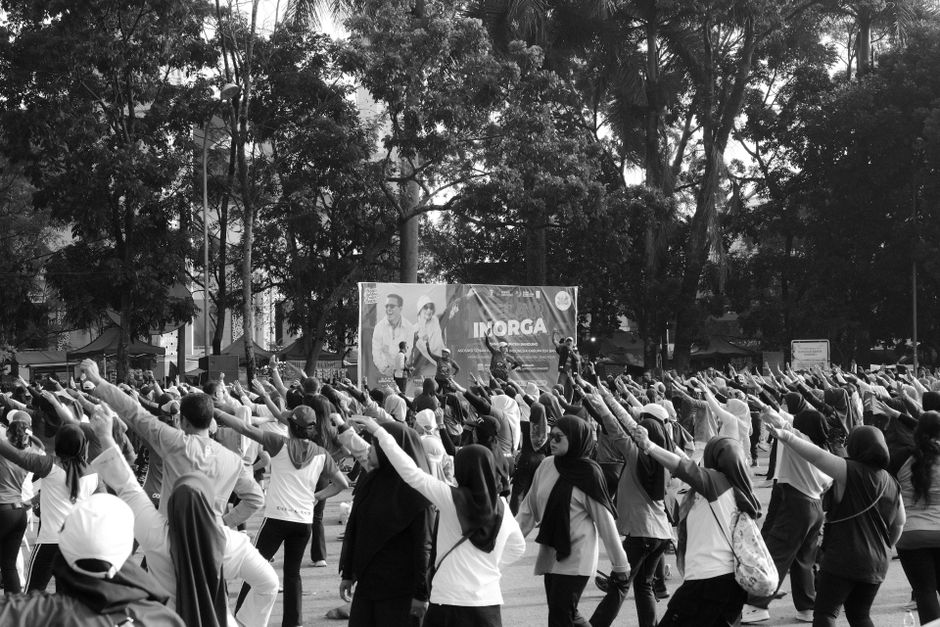
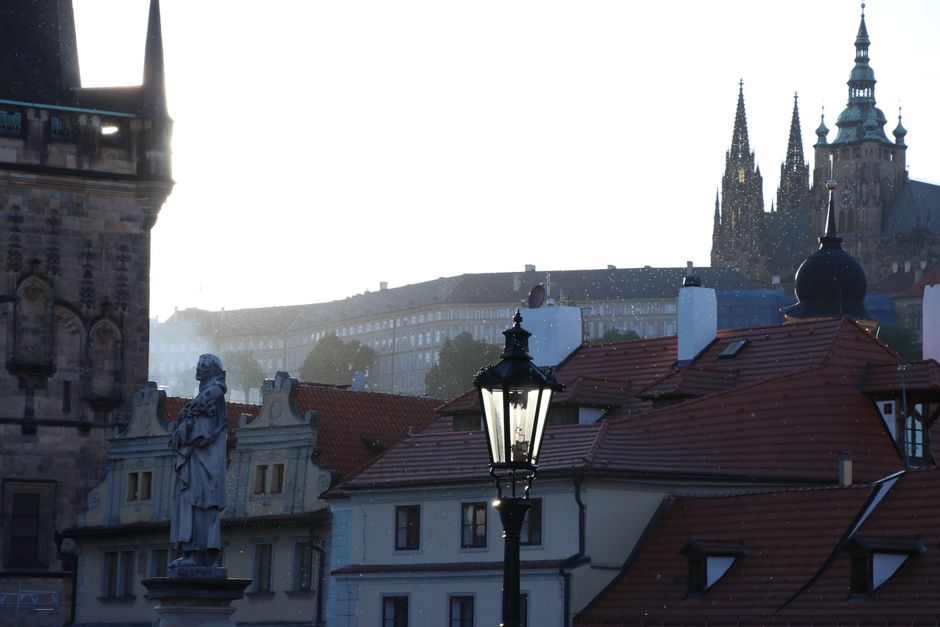
Thirty minutes of moderate exercise can reduce acute anxiety symptoms by up to 48 percent, according to a 2025 meta-analysis published in the journal Anxiety, Stress & Coping. That number is striking. For millions of urban Europeans grinding through post-pandemic stress, economic uncertainty and the relentless pressure of hybrid working, it also matters in a very immediate way.
Anxiety disorders now affect roughly 17 percent of Czech adults, according to the Czech National Institute of Mental Health (NUDZ), which reported in its 2024 annual review that demand for outpatient psychological services rose 22 percent compared to pre-2020 levels. Prague, home to 1.3 million people and the country's densest concentration of corporate headquarters, bears a disproportionate share of that burden. But the city's unusually active street culture — the runners along the Vltava embankment at 6 a.m., the packed yoga studios in Vinohrady, the cyclists threading through Letná park — is not incidental. Researchers are increasingly arguing it is protective.
How Movement Rewires the Anxious Brain
The mechanism is more nuanced than the popular idea of an endorphin rush. A single aerobic session elevates levels of brain-derived neurotrophic factor, or BDNF, a protein that promotes new neural connections and appears to dampen activity in the amygdala — the brain region that fires up during threat responses. Consistent training over six to eight weeks has been shown to structurally alter the hippocampus, improving emotional regulation. Think of it less as a mood boost and more as recalibrating the nervous system's alarm settings.
That reframing matters for people who dismiss exercise as a superficial fix. A 2024 study from the University of Gothenburg tracked 286 adults with generalised anxiety disorder over 12 weeks. Those assigned to structured aerobic training — three sessions per week at moderate-to-vigorous intensity — reported a 42 percent reduction in symptom severity on the GAD-7 scale, outperforming the waitlist control group by a statistically significant margin. The finding does not suggest exercise replaces therapy or medication, but the effect sizes are hard to ignore.
Prague's clinical community is taking note. NUDZ, based in Klecany just north of the city, has been piloting an integrated programme since January 2026 that pairs cognitive behavioural therapy with supervised group exercise sessions held twice weekly at the Hamr Sport Centre in Holešovice. Early internal data, shared at a May conference in Brno, suggested dropout rates from the programme were lower than for therapy-only cohorts — possibly because the physical component gives participants a tangible routine to anchor their week.
Where Prague Goes to Move — and Why That Matters
You do not need a clinical programme to start. The city's infrastructure is genuinely conducive. The 45-kilometre cycling route that loops through Stromovka park and along the Vltava towards Braník is free and accessible year-round. Riegrovy sady in Vinohrady has outdoor fitness equipment installed as part of the Prague 2 district's 2023 public health initiative. Membership at Sportovní centrum Folimanka, tucked beneath the hill in Nusle, runs around 890 crowns per month — roughly €35 — making it one of the more affordable full-facility gyms in the inner city.
The Prague Running Club, which organises free group runs departing from Náměstí Míru every Tuesday and Saturday morning, regularly attracts more than 80 participants. Group exercise deserves specific attention here: social exercise appears to carry an additional anxiety-reducing benefit beyond the physiological. The sense of shared effort and belonging activates oxytocin pathways that solo training does not reliably touch.
Practically speaking, the evidence points toward consistency over intensity. Three sessions per week of brisk walking, cycling or swimming — sustained for at least six weeks — appears to be the threshold where measurable anxiety reduction kicks in. Starting smaller is fine; the goal is a habit, not a personal best.
Anyone experiencing persistent anxiety symptoms should speak with a GP or contact NUDZ's public helpline before making changes to any existing treatment plan. Exercise is a serious adjunct tool. It is not, on its own, a diagnosis or a cure. But on a Tuesday morning along the Rašínovo nábřeží, with the Vltava grey-green and the city still quiet, it is also very hard to argue with.