Wellness
Gut Health 101: Fermented Foods You Can Find Locally
From kvass at Náplavka to kimchi in Žižkov, Prague's fermented food scene is quietly becoming one of the city's most compelling wellness stories.
4 min read
Wellness
From kvass at Náplavka to kimchi in Žižkov, Prague's fermented food scene is quietly becoming one of the city's most compelling wellness stories.
4 min read
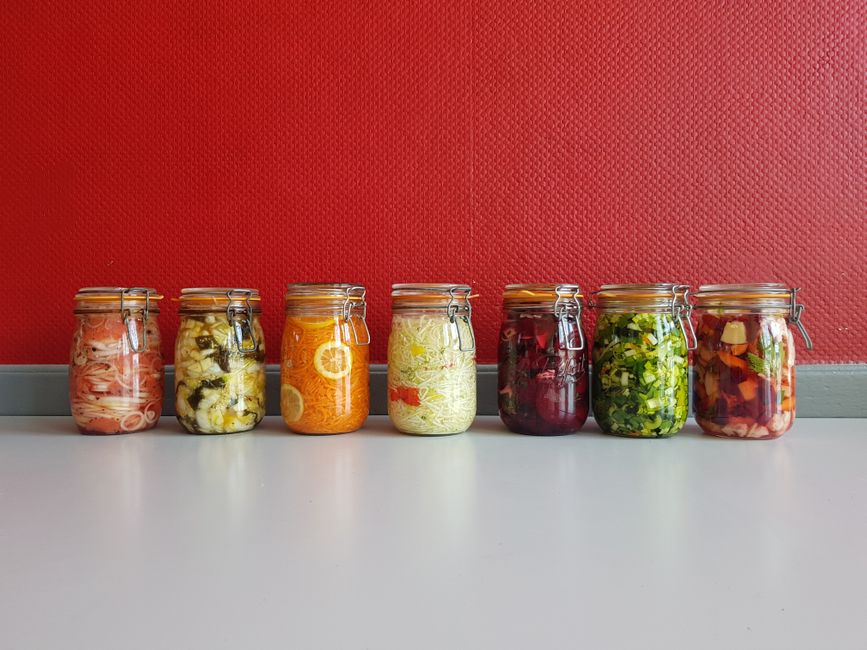
Prague's farmers markets and specialty food shops are stocking more fermented products than at any point in the last decade — and the science behind the trend is finally catching up with the enthusiasm. Research published in the journal Cell in 2021, tracking 36 adults over 17 weeks, found that a diet high in fermented foods increased microbiome diversity and reduced 19 inflammatory proteins associated with conditions ranging from type 2 diabetes to chronic stress. That data is three years old, but nutritionists across Central Europe are still citing it because nothing since has contradicted it.
The timing matters for Prague specifically. Gut-related complaints — bloating, irritable bowel, low energy linked to poor digestion — have become among the most common reasons Czechs aged 25 to 45 seek out dietitians, according to figures from the Czech Society of Clinical Nutrition and Intensive Metabolic Care. Meanwhile, antibiotic prescribing rates in the Czech Republic remain among the higher in the EU, and antibiotics are a primary driver of gut microbiome disruption. Fermented foods, rich in live cultures, are one of the most affordable ways to begin rebuilding that balance.
The good news: you don't need a specialist health-food import shop. Czech cuisine already has fermentation in its bones. Zelí — traditional Czech sauerkraut — is the obvious starting point. Buy it unpasteurised, which is critical. Pasteurised versions, sealed in shelf-stable jars in most supermarkets, have had their live bacteria killed by heat. Instead, head to the Náplavka Farmers Market on the riverbank near Palacké náměstí, open every Saturday morning, where several producers sell raw, live-culture zelí in wax-sealed crocks for around 60 to 90 Kč per 500 grams. The market runs from April through November.
Kvass — the lightly fermented rye bread drink common across Slavic countries — is another local option. Bio Zahrada, a health food chain with a branch on Korunní street in Vinohrady, stocks refrigerated kvass made by a Czech micro-producer from the Vysočina region. A 500ml bottle runs about 55 Kč. It contains B vitamins and a modest but real population of Lactobacillus bacteria. It tastes sharp and slightly sour, closer to a good sourdough than to a beer.
For those interested in kefir — one of the most well-studied fermented foods for gut health, with over 3,000 published papers examining its probiotic effects — Prague has a reliable domestic supply. Madeta and Olma both produce full-fat kefírové mléko widely available in Albert and Billa supermarkets across the city for under 30 Kč per litre. Czech kefir is generally thinner than the tangy, yogurt-thick versions sold in Western European capitals, but microbiological testing by the State Veterinary and Food Administration in 2024 confirmed that major Czech brands reliably contain the Lactobacillus and Bifidobacterium strains listed on their labels.
Žižkov and Vinohrady have also seen a cluster of Asian food shops open in the last two years, bringing properly fermented kimchi — the Korean staple made from lacto-fermented cabbage and chilli — into easy reach. Korejská Kantýna on Blanická in Vinohrady sells house-made kimchi at 120 Kč per 300g jar, made fresh weekly. The shop also stocks Japanese miso paste from 80 Kč, useful for a quick morning broth.
Gastroenterologists caution against introducing large quantities of fermented food all at once. Two to three tablespoons of sauerkraut per day, or a 150ml glass of kefir, is a reasonable starting volume for someone who isn't accustomed to high-fibre, probiotic-rich eating. Digestive discomfort in the first week is common and usually temporary as the gut microbiome adjusts.
Combining fermented foods with prebiotic fibre — the food that probiotic bacteria actually feed on — matters as much as the cultures themselves. Locally, that means eating your zelí alongside roasted Jerusalem artichoke, leek, or garlic: all grown regionally and sold at Náplavka and the Dejvice Farmers Market near Vítězné náměstí on Fridays throughout summer.
Anyone managing an existing digestive condition, or who has recently completed a course of antibiotics, should speak with a GP or registered dietitian before making significant dietary changes. The Czech Association of Dietitians maintains a searchable directory of registered practitioners at nutricniporadna.cz. The foods are accessible. The guidance, if you need it, is there too.

Wellness

Wellness

Wellness

Wellness
About this article
Published by The Daily Prague
Spread the word
Daily brief
Free, in your inbox before 7am. Weekdays.
The Daily Network — local news across Australia