Prague's municipal administration is under mounting pressure to clarify how it manages so-called duplicate imagery — photographs, architectural renderings and heritage documentation files that are copied, mislabelled or substituted without disclosure — across city-owned platforms and physical public spaces. The issue surfaced formally this spring when the Prague Institute for Planning and Development, known by its Czech acronym IPR Praha, flagged internal inconsistencies in the visual archive underpinning the city's 2030 Spatial Development Framework.
The timing matters. With several major regeneration projects moving through approval — including the long-debated redevelopment of the Masaryčka railway corridor near Nusle and new public realm plans for Žižkov's Seifertova Street — accurate visual documentation is not a bureaucratic footnote. It shapes what residents, investors and councillors actually believe they are approving.
What the Experts Are Saying
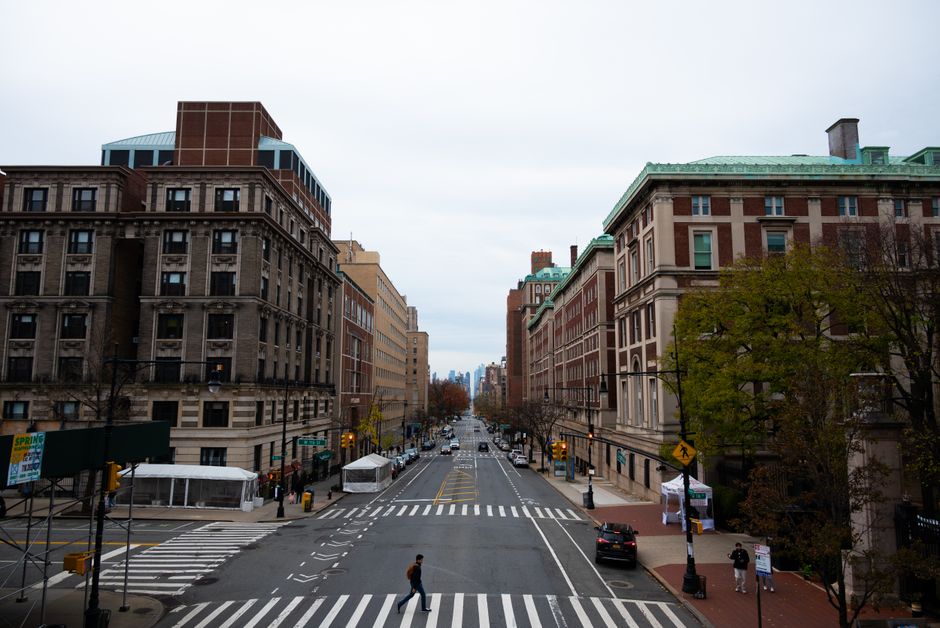
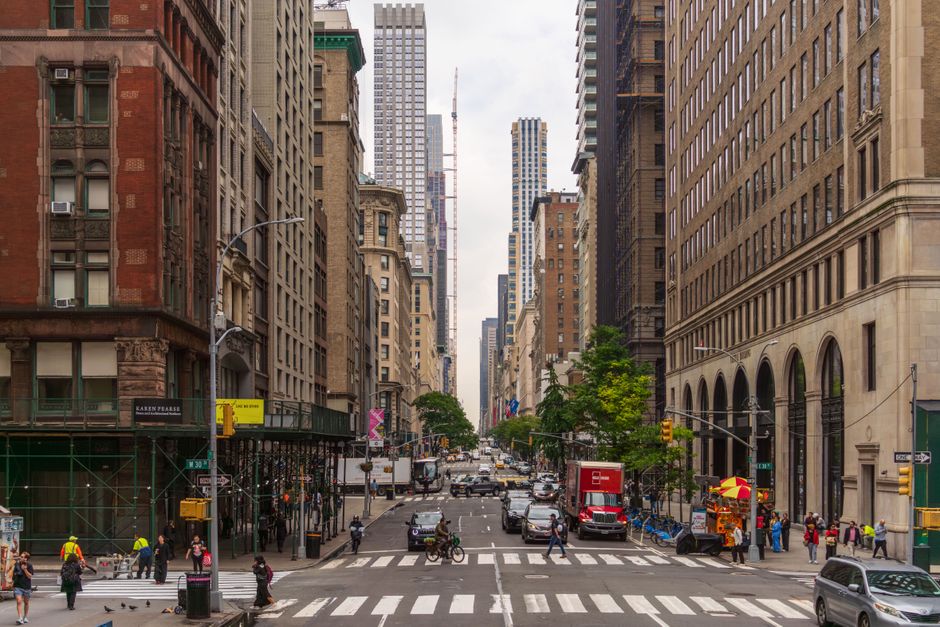
Urban documentation specialists at the Czech Technical University's Faculty of Architecture, based in Dejvice, have raised concerns that duplicated or placeholder images — often pulled from generic European city stock — end up embedded in official consultation materials distributed to Prague districts. When neighbourhood committees in Vinohrady or Holešovice examine a proposed public square redesign, they may be looking at a photograph of a different square in a different country entirely, with metadata altered to suggest local origin.
The problem is not unique to Prague, but the city's particular density of protected heritage zones — 40 square kilometres of the historic core fall under UNESCO World Heritage buffer rules — makes visual accuracy a legal as well as civic matter. Substituting one image for another in a listed area's documentation can, under Czech heritage law as codified in Act No. 20/1987 Coll., constitute a material misrepresentation in a planning submission.
Representatives from the civic watchdog group Arnika, which monitors environmental and planning transparency in central Bohemia, have publicly called for a mandatory image provenance audit on all documents submitted to the Prague 1 and Prague 2 municipal offices in connection with listed buildings. Arnika has previously campaigned on transparency issues tied to Letná Park development proposals and the Holešovice market regeneration.
City Hall's Position — and the Gaps
IPR Praha, which sits on Výstaviště Street in Holešovice and serves as the city's primary planning and analytical body, has acknowledged the archive inconsistency internally but has not yet issued a public statement on remediation timelines. The institute's digital infrastructure team is understood to be auditing roughly 12,000 image files linked to active planning dossiers, according to background information circulating among Prague City Council's committee on urban development.
Prague City Council approved a digital governance resolution in March 2025 committing the city to open-data standards for all planning documents by the end of 2026. That deadline is now six months away. Critics say the duplicate-image question is a direct stress test of whether the resolution has any teeth. The resolution referenced EU Directive 2019/1024 on open data, which requires public sector bodies to ensure reusable and accurately described data assets.
A coalition of architects registered with the Czech Chamber of Architects — which has its headquarters on Josefská Street in Malá Strana — submitted a formal letter to the Deputy Mayor for spatial development in May 2026 requesting clearer provenance standards for visual materials. The chamber stopped short of alleging deliberate manipulation, framing the issue instead as a systemic gap in procurement rules for documentation services.
What happens next depends largely on whether IPR Praha completes its audit before the autumn planning cycle begins in September. Residents preparing submissions for upcoming consultations on the Žižkov television tower surroundings or the Holešovice waterfront should request confirmation from their district office that consultation imagery carries a verifiable source notation. The city's online planning portal, accessible through the Prague Geoportal at geoportalpraha.cz, allows document metadata to be inspected directly — a step that civic groups now recommend as routine practice before any public comment is filed.