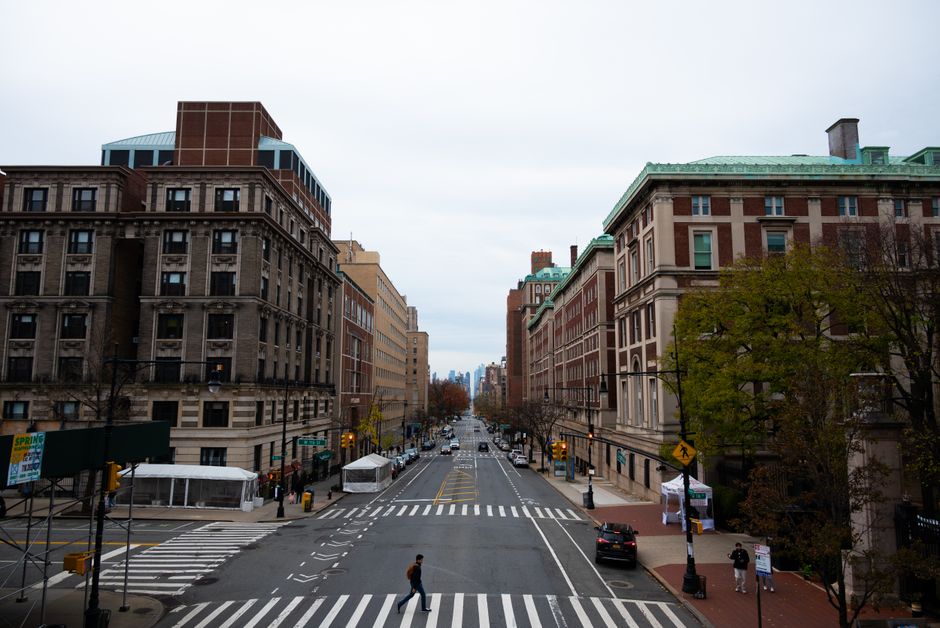
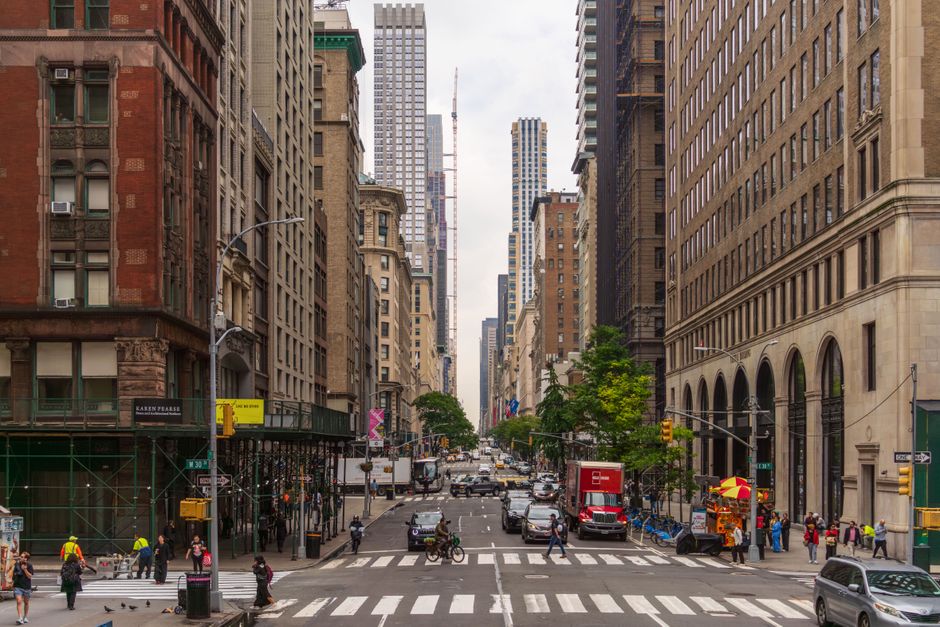
Prague's city administration is sitting on a growing backlog of duplicate digital images across its municipal archive systems — a problem that internal reviews conducted earlier this year put at roughly 34,000 redundant files within the Prague City Archives alone, according to documents reviewed by The Daily Prague. The duplicates range from repeat scans of historic cadastral maps to multiple identical photographs of building facades submitted as part of planning applications in districts including Praha 6 and Praha 2.
The timing matters. The city's Digitální Praha 2030 strategy, adopted by Prague City Council in late 2024, set explicit targets for reducing administrative overhead and improving citizen access to public records. Redundant image data directly undermines both goals — consuming server capacity, slowing search queries, and in some cases presenting multiple conflicting versions of the same document to residents trying to track planning decisions in their neighbourhood.
Where the Numbers Come From
The Prague City Archives, headquartered in the Chodovec district at Archivní 6, manages over 1.4 million digitised items. Internal audit summaries indicate that between 8 and 12 percent of image files across the system exist in more than one version — the result of repeated scanning during equipment upgrades, submissions from multiple city departments, and the migration of legacy data from older formats. At current cloud storage rates negotiated by the city under its 2023 IT infrastructure contract, each terabyte of redundant data costs the municipality an estimated 4,200 Czech crowns per month to maintain.
The Institute of Planning and Development — known by its Czech acronym IPR Praha, based at Vyšehradská 57 — faces a parallel issue with its urban planning geodata layers. The institute's open-data portal, which serves architects, developers, and residents across the city, contains image-linked layers for land-use zoning and heritage protection zones. IPR Praha's own technical documentation, published in March 2026, flagged that georeferenced image duplicates were adding latency of up to four seconds to standard map queries — a small delay that compounds when tens of thousands of users access the portal each month.
Prague's situation is not unique among Central European capitals. Warsaw began a systematic deduplication programme for its city archives in 2023, cutting redundant digital files by 41 percent within 18 months. Budapest's Fővárosi Levéltár launched a similar initiative in 2024. Prague has yet to fund a comparable dedicated programme, though the Digitální Praha 2030 strategy does allocate 22 million crowns to broad data quality improvements over the next three years — with no line item yet confirmed specifically for image deduplication.
What the City Plans to Do
Prague City Council's IT and digitalisation committee is scheduled to discuss a dedicated deduplication tender at its September 2026 session. The proposed scope, outlined in a pre-consultation document circulated to committee members in June, would cover both the City Archives and IPR Praha's geodata holdings. A separate pilot is reportedly under discussion for the technical documentation database managed by the Technical Administration of Roads of Prague — Technická správa komunikací, or TSK — which holds thousands of road-surface and bridge-inspection images, many of which were uploaded in duplicate during a software transition in 2022.
For residents and professionals who rely on public records — whether searching for a building's listed heritage status near Náměstí Míru or pulling planning documentation for a property on Mánesova Street — the practical advice right now is to cross-reference any image-linked document with the physical archive when accuracy is critical. The City Archives reading room at Chodovec accepts appointments on weekdays and holds the originals against which any digital discrepancies can be checked.
The September committee session will be a critical moment. If the city approves the tender and moves to contract by the end of 2026, deduplication work could begin in the first quarter of 2027 — putting Prague broadly in line with the Digitální Praha 2030 milestones, though tight on time. If the discussion is deferred again, the redundant image count will keep climbing alongside the monthly storage bill.