Wellness
Gut health 101: fermented foods you can find locally
Curious about supporting your microbiome? From sauerkraut in Žižkov to kombucha on Náplavka, Prague’s fermented food scene is thriving—and accessible.
3 min read
Wellness
Curious about supporting your microbiome? From sauerkraut in Žižkov to kombucha on Náplavka, Prague’s fermented food scene is thriving—and accessible.
3 min read
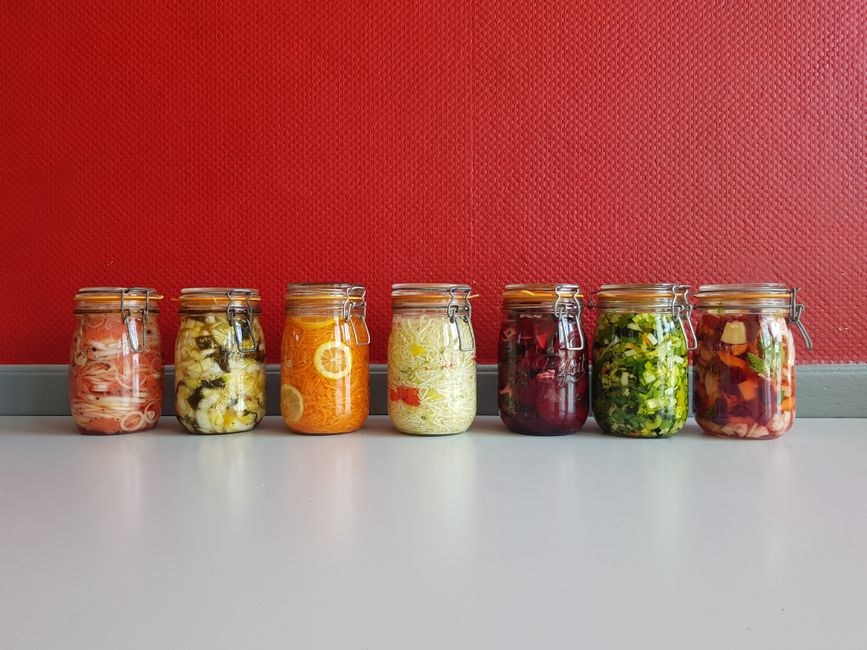
Jaroslav Vacek moves between glass jars packed with horseradish pickles and cabbage kraut at Fermentory Prague on Vlkova Street, checking that the latest batch is bubbling just right. Interest in fermented foods—and their benefits for gut health—is rising sharply across the city, with more Prague residents adding these traditional staples to their tables.
That’s more than a foodie trend. Researchers worldwide—and a growing number of healthcare providers in the Czech Republic—have spotlighted gut health as a building block for overall wellness. As the days stretch into yet another unusually warm summer across Europe, residents are paying attention to nutrition and looking for simple ways to stay healthy. The shift is visible in Prague’s supermarkets, markets, and cafés, where sour, tangy jars of kimchi, kefír and old-fashioned kvašené okurky are now vying for space beside imported yoghurts and mass-produced breads.
Prague's fermented renaissance is rooted in both tradition and innovation. In Holešovice, the Saturday farmer’s market on the Vltava River embankment (Náplavka) features stalls selling small-batch kombucha brewed by VeseLý Ferment, with a half-litre bottle costing around 55 korunas. Closer to the city centre, Sklizeno on Dejvická Street now dedicates a full aisle to Czech-produced tempeh, miso and fresh sauerkraut—regularly sourced from South Bohemian makers using heirloom recipes.
Old favourites are also making a comeback. Classic fermented pickles (kvašené okurky) and sour cabbage (kysané zelí) remain staple sides in many Prague restaurants, including Lokál Dlouhááá, which offers a tangy cabbage salad for just 44 korunas. Vegan cafés in Vinohrady like Moment add kimchi to breakfast bowls and offer their own in-house ferments for takeaway. Even UGO Salaterie, a high-street salad chain, added a kefír-based smoothie to its menu last spring, responding to growing customer demand.
A recent 2025 survey by the Czech Association of Nutrition and Food (CZP) found that 32% of Prague adults now include fermented foods or drinks in their daily diet—up from just 18% in 2022. Fermentation not only imparts flavour but introduces beneficial probiotic bacteria: according to the European Food Safety Authority, regular intake may help support digestion and overall immunity. The price for fresh fermented products remains reasonable: a litre of high-quality raw sauerkraut can be had at farmers’ markets for around 80–100 korunas.
Czech researchers are adding to the evidence base. Charles University’s Faculty of Medicine launched a pilot study in January 2026 exploring links between traditional fermented foods and gut microbiota diversity among Prague residents. Early findings are expected next spring, but nutritionists point to international studies—from Finland to France—that associate probiotic-rich foods with reduced inflammation and improved metabolic markers.
For those wanting to start, most local health food shops—including Country Life and Biooo at Palladium—stock unpasteurised ferments. Classes in fermenting at home are offered regularly at Atelier Reduta in New Town, where a three-hour workshop costs 700 korunas and includes starter cultures and jars to take away.
As awareness spreads, Prague’s appetite for sour, spicy and subtly funky flavours shows no sign of fading. Whether you’re filling a jar in Žižkov or sipping a kombucha along Náplavka, the city’s fermented fare offers an easy, affordable boost for your gut—and a taste of Czech food heritage at its most nourishing.

Wellness

Wellness

Wellness

Wellness
About this article
Published by The Daily Prague
Spread the word
Daily brief
Free, in your inbox before 7am. Weekdays.
The Daily Network — local news across Europe