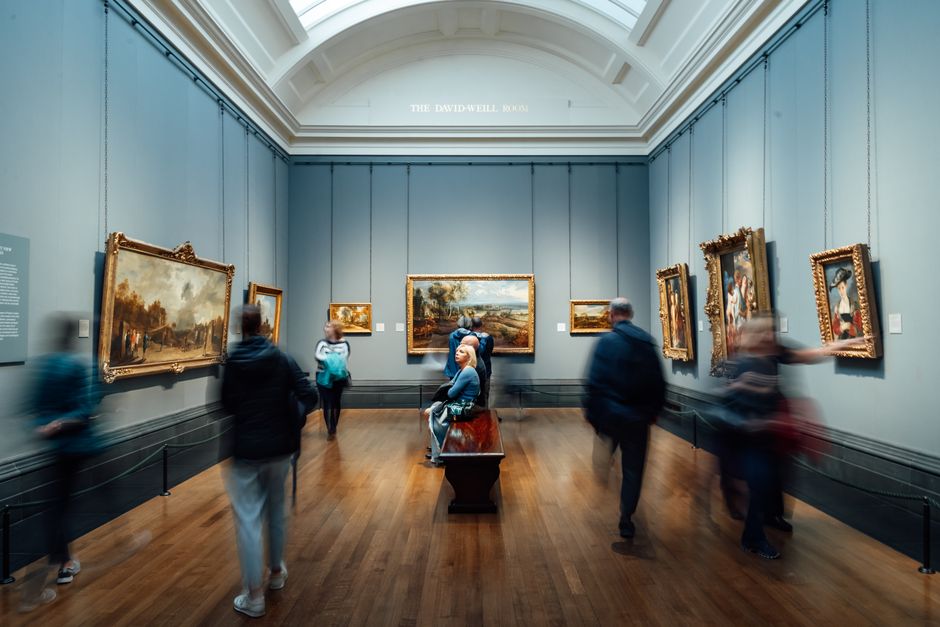
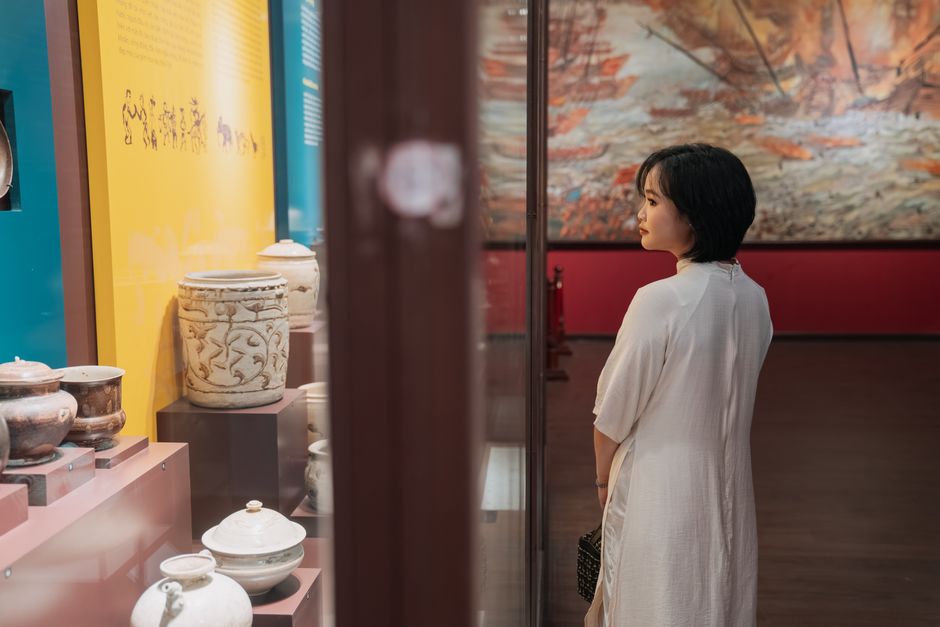
The Národní divadlo's air conditioning has been running non-stop since June, and the staff can feel the difference. Ticket sales for July performances at the National Theatre on Národní třída jumped 34 percent compared to the same month last year, according to the venue's box office manager. The reason is simple: while outdoor Shakespeare productions and open-air film festivals have been cancelled across Berlin and Vienna due to extreme heat, Prague's cultural institutions are becoming refuges.
This surge matters because it reveals how climate disruption is reshaping where Europeans consume culture. Festivals that thrived outdoors for decades are now migrating indoors or being postponed entirely. Prague, with its network of historic theatres, concert halls, and museum spaces, is positioning itself as the summer cultural destination for visitors fleeing the heat waves affecting the continent. The Vltava riverfront promenades that normally draw crowds are emptied by midday. The galleries are packed.
Museums Strain Under the Weight
The Jewish Museum in Prague's Old Town Square neighbourhood reported that daily visitor numbers have increased from 1,200 to 1,600 people since late June. Staff have added extra cooling stations and extended opening hours to 8 p.m. on weekdays, a change not implemented since 2009. The museum's four sites—including the Pinkas Synagogue and the Maisel Synagogue—are seeing particular pressure on weekday mornings when tour groups arrive before the outdoor heat becomes unbearable.
Across the city, the Veletržní palác in Prague 7 is hosting an exhibition of contemporary Indian sculpture that opened June 15 and runs through September. The venue, which functions as the National Gallery's modern art space, installed additional cooling units in three exhibition halls this spring. The decision to upgrade the climate control system cost roughly 2.3 million crowns (approximately €97,000) and was justified by gallery directors as necessary infrastructure given the broader pattern of summer tourism shifting indoors.
The Estates Theatre on Ovocný trh, where Mozart premiered Don Giovanni in 1787, is running five performances weekly instead of the usual three. Box office staff say the shift reflects demand from tourists who would normally visit outdoor attractions in Prague 1 and Prague 2 neighbourhoods.
The Practical Reality for Visitors
Advance booking is no longer optional. Major venues on Nerudova Street in Malá Strana and around Wenceslas Square are reporting sold-out evening slots by early afternoon. The Jewish Museum now requires online reservations with timed entry windows. Ticket prices have not increased, but availability has tightened considerably. A single-day pass costs 480 crowns (€20) for adults, unchanged from May rates.
Smaller galleries in the artistic enclaves of Žižkov and Vinohrady are seeing spillover benefit. The Signal Festival, which typically draws crowds to industrial spaces in autumn, confirmed this week that it will mount a smaller summer pop-up in a converted warehouse on Tusarova Street in Prague 9, capitalizing on the flood of international visitors seeking indoor cultural programming. The pop-up runs July 17 through August 3.
Street-level reality: Order a coffee on Nerudova at 2 p.m. and you'll see the queues stretching from the Strahov Monastery down the hillside have largely vanished. Visitors are indoors. The major galleries and theatres are operating at near-capacity through August, something that hasn't occurred during summer months for at least a decade. Locals have adapted by visiting museums on weekday mornings before tourist groups arrive, and several neighbourhood venues have started offering resident discounts to offset the overcrowding.
For anyone planning a Prague visit in the next four weeks, flexibility on timing is crucial. Call ahead or book online before arriving. The cultural institutions are prepared for the crowds—the infrastructure upgrades have been made. But the summer heat forcing Europe indoors is rewriting how and when people experience Prague's arts scene.