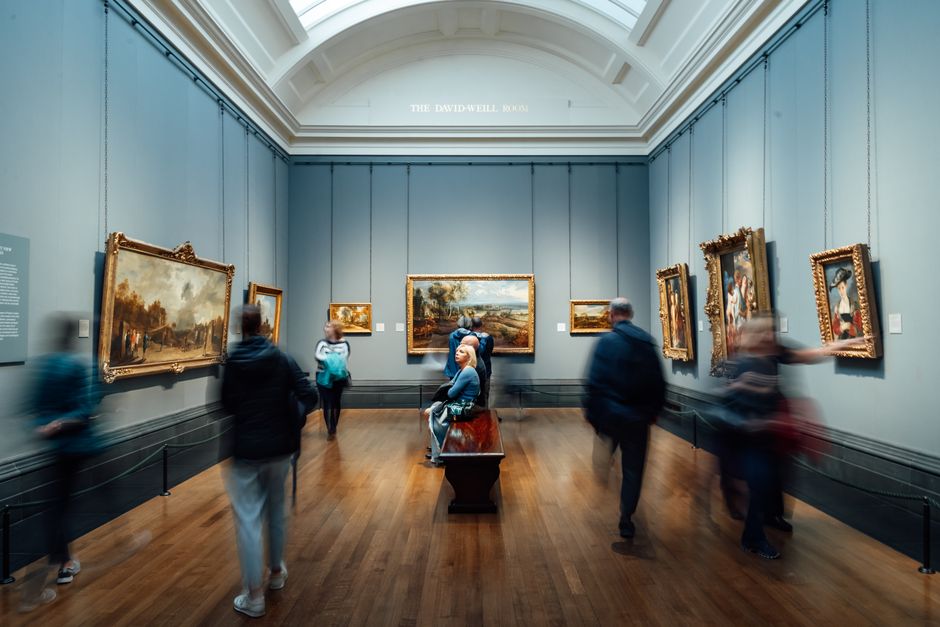
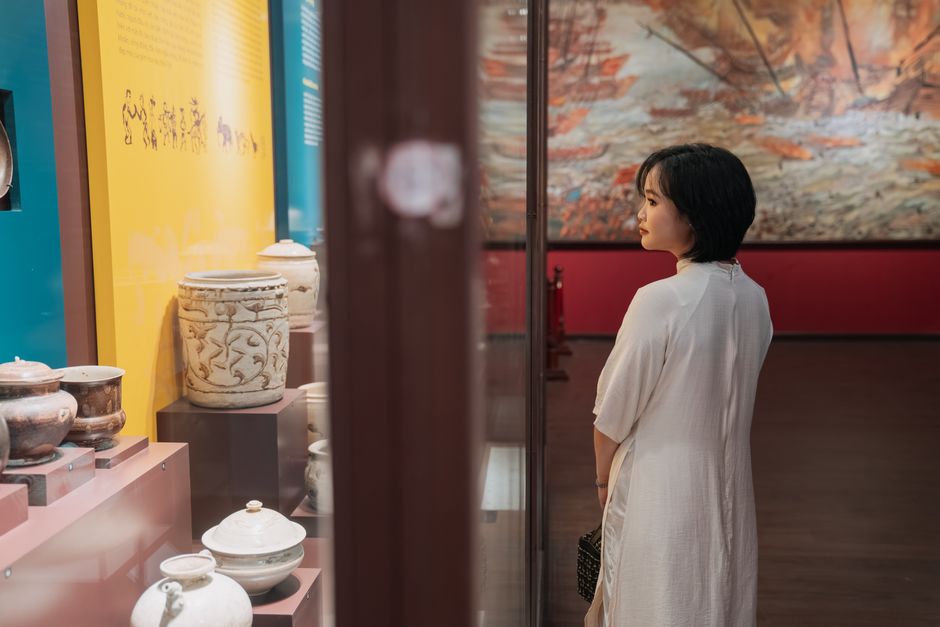
Prague's cultural calendar hits peak season this week as July heat forces international visitors to seek refuge in the city's galleries, theatres, and shaded outdoor venues. The intensity is real: temperatures in Central Europe have pushed past 38 degrees Celsius in recent days, shutting down major Fourth of July celebrations in cities across the Atlantic. Here, that weather pattern is driving unprecedented foot traffic through Staroměstské náměstí and into the air-conditioned halls of the National Gallery.
The timing matters. Global travel patterns have shifted dramatically over the past eighteen months, with Western European destinations facing new pressures from both climate disruption and changing tourism economics. Prague benefits from that disruption. The city offers what hotter, more crowded alternatives cannot: medieval architecture that stays naturally cool, a robust arts infrastructure built for serious crowds, and galleries that opened doors to experimental programming that most major cities shelved years ago.
Where the Energy Actually Is Right Now
The Veletržní Palác in Holešovice is mounting an unexpectedly sharp show of contemporary Czech art through September 15. The space—a converted 1928 trade-fair building on Dukelských hrdinů street—runs at near-capacity on weekends. Admission costs 250 crowns for adults, and the National Gallery's air systems handle the load better than most European institutions. Visitors report forty-five-minute queues forming by 11 a.m.
Across town in Vinohrady, the Galerie Paříž operates on the ground floor of an 1896 building and has become the unofficial hub for Prague's younger collectors and artists. The gallery launched a rolling exhibition series called "Letní Hudba" (Summer Music) in June, pairing visual work with live electronic sets on Thursday evenings. No cover charge. The setup is intimate—capacity around sixty people—which means arriving before 8 p.m. is non-negotiable.
The Středočeská vodní elektrárna Art Centre, housed in a converted hydroelectric facility outside the city center on the Vltava, opened a satellite space two months ago specifically to decentralize summer traffic. It's a fifty-minute tram ride (line 2 toward Bílá Hora), but serious collectors and photographers now make the trip. The building itself—steel and concrete brutalism overlooking water—draws as many Instagram posts as the work inside.
Numbers and Practical Reality
Prague's cultural sector reported 4.2 million visitor days in 2025, up 31 percent from 2023. Tourism boards estimate July 2026 will exceed that by another 8 to 12 percent, assuming temperatures stabilize. The Státní opera counts 94 performances scheduled through August 31, and most evening shows are currently at 87 to 94 percent capacity. Standing room only is common from Wednesday through Sunday.
Booking strategy: Museum websites accept reservations up to seven days in advance. The National Gallery (Národní galerie), with four separate locations across Prague, requires advance tickets purchased through its website (ngprague.cz) or at any location. Prices run 280 to 350 crowns depending on which galleries you're visiting. Walk-in tickets exist but expect ninety-minute waits in mid-July. Smaller independent galleries like Paříž and Futura operate on first-come, first-served basis and rarely sell out, though evenings are shoulder-to-shoulder by 8 p.m.
Food and coffee? The narrow streets of Staré Město and Nerudova fill completely by 10 a.m. on weekends. Locals now routinely duck into venues in Prague 3 (Žižkov) and Prague 7 (Holešovice), where excellent cafés operate with zero queue culture. Kavárna Olympie on Nitranská street serves cold brew and adequate pastries. Not Instagram-worthy, but functional.
Plan museum visits for before 10 a.m. or after 5 p.m. if you can manage it. The city's cultural infrastructure—unlike those scorched festivals across Europe—can absorb visitor volume, but only if people spread out across the day. Book your tickets now. The heat will last through mid-August, and so will the crowds.