Prague's cultural calendar exploded this week. The Colours of Ostrava festival—one of Central Europe's largest music and arts events—wrapped its satellite programming in the city's Old Town Square on June 29, drawing crowds that didn't disperse until well after midnight. The main festival runs in the Moravian city of Ostrava, but Prague's role as the cultural amplifier for Czech creative output signals a shift in how the nation's capital sees itself.
The timing matters. While global attention fixates on geopolitical upheaval across continents and North American celebrity spectacle, Prague is quietly consolidating its position as a sophisticated creative hub. The city's cultural institutions are no longer content to serve as a backdrop for stag parties and Instagram tourism. Instead, they're programming boldly, investing in heritage infrastructure, and attracting serious musicians and visual artists who treat Prague as a destination in itself, not a pit stop.
The Summer Festival Surge
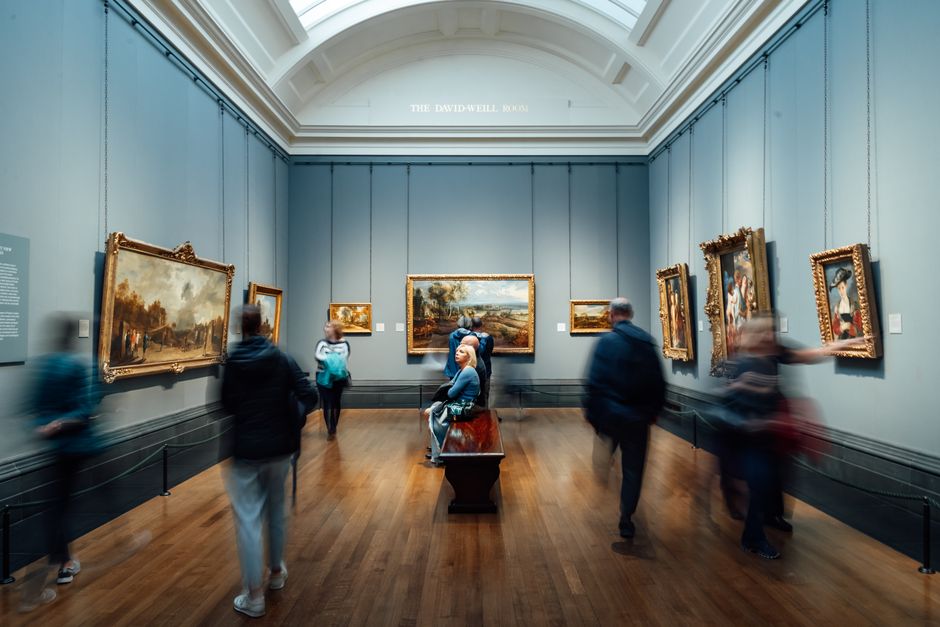
The Rudolfinum, the neoclassical concert hall anchoring Old Town Square since 1885, launched its summer jazz series on July 1 with a full month of evening performances. Tickets run 390 Czech crowns (roughly $17) for most shows—accessible pricing that reflects the institution's strategy to build regular audiences rather than milk tourist wallets. The Rudolfinum's programming director has explicitly stated the venue wants to compete with Berlin's Philharmonie and Vienna's Musikverein on artistic merit, not on novelty.
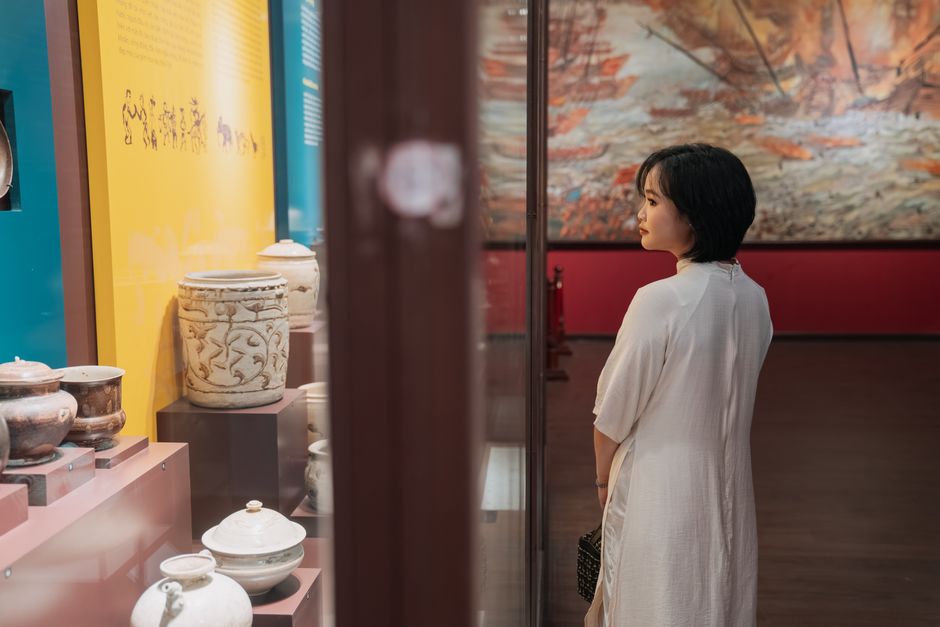
Across the Vltava River in the Smíchov district, the former industrial complex at Náplavka has transformed into Gallery Náplavka, hosting its summer exhibition focused on Czech contemporary art through August 31. The space attracts 8,000 to 12,000 visitors weekly during July and August, according to the venue's operational data. What distinguishes this from Prague's typical tourist attractions is the exhibition's refusal to simplify Czech artistic identity for international audiences. Works grapple with questions about Central European memory, post-Soviet inheritance, and contemporary digital culture—subjects that demand engagement, not passive consumption.
Heritage Investment and Cultural Confidence
The Prague City Council approved a 24-million-crown investment in restoring the Jewish Quarter's ceremonial halls in early June, completion targeted for spring 2027. This represents a genuine commitment to deepening the city's relationship with its complex history. The Jewish Museum Prague, which administers six historic sites across the quarter, has seen visitor numbers plateau at 350,000 annually—a figure the institution wants to grow by deepening educational programming rather than simply increasing foot traffic.
Prague's creative economy now accounts for approximately 7.2 percent of the city's GDP, up from 5.1 percent in 2019, according to data compiled by the Prague Institute for City Development. The city employs roughly 18,000 people in creative industries, with music and visual arts representing the largest sectors. That growth reflects deliberate institutional choices. The Prague Quadrennial, the international theater design exhibition held every four years, announced its 2027 edition will expand to include 60 participating countries—up from 48 in 2023—with half the exhibition space devoted to work from emerging Central and Eastern European artists.
If you're planning to experience this reshaped Prague, the music programming at the Rudolfinum runs nightly through August 31, with advance booking available through the venue's website. Gallery Náplavka operates Wednesday through Sunday, 10 a.m. to 8 p.m. The Jewish Quarter can be explored independently or through guided tours operated by the museum six days weekly. Expect crowds to thin slightly in August as Czech families depart on holiday, though international visitors remain steady. This is Prague reclaiming its narrative, one deliberate cultural choice at a time.