Wellness
Gut health 101: fermented foods you can find locally
From pickled cabbage to kombucha on tap, Prague offers rich options for those looking to boost digestive wellness with tradition and taste.
3 min read
Wellness
From pickled cabbage to kombucha on tap, Prague offers rich options for those looking to boost digestive wellness with tradition and taste.
3 min read
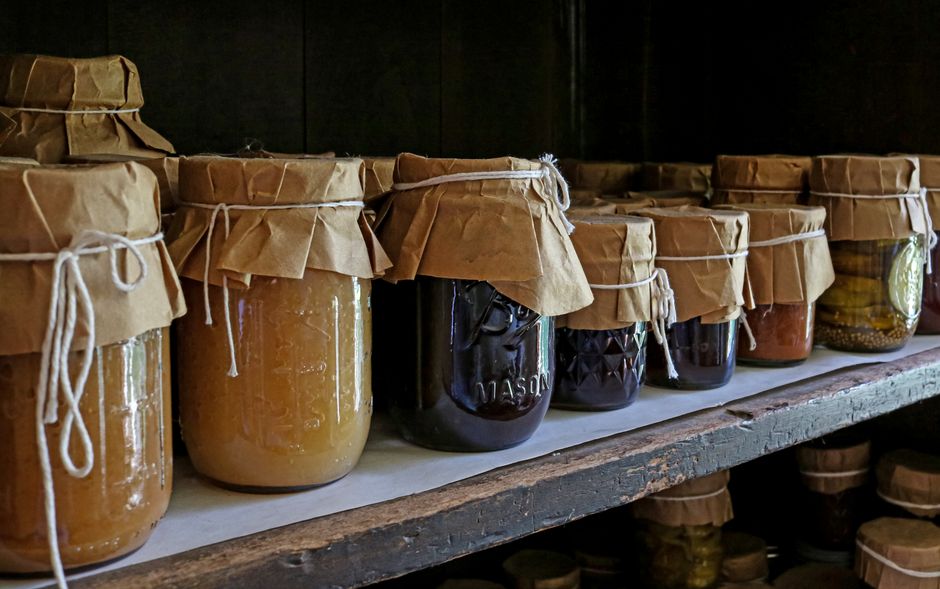
Fermented foods have officially left the speciality aisles and found their place on mainstream menus across Prague, as new research continues to highlight the link between a healthy gut and overall wellbeing. Sales of kimchi, kefir, and other fermented favourites have doubled in Prague specialty shops over the past three years, according to data from the Association of Czech Nutritionists.
Interest in gut-friendly eating comes as more residents reckon with the impact of nutrition on mental and physical health. After pandemic-era shifts in lifestyle and recent studies tying gut flora to immunity and even mood, Praguers are seeking out foods that can support their digestion and more. According to Jana Hrubá, a nutrition educator at the Charles University Health Centre, fermented foods are rapidly becoming staples in local diets, especially among younger city dwellers in districts like Žižkov and Vinohrady.
Local staples are making a strong comeback alongside imported options. In the heart of Karlín, Probiomap on Sokolovská street has expanded its offering to include not only the classic kysané zelí (sauerkraut), but also tempeh and natto, which are popular among Prague's growing vegan community. Shoppers at Dlouhá Market in Old Town report that jars of locally fermented pickles and kefir disappear from shelves faster than ever—one vendor sees as many as 60 bottles of homemade kefir sold out by noon most Saturdays.
For those looking to sip their way to better gut health, Faktorie Kombucha, a taproom café tucked close to Jiřího z Poděbrad square, serves up five rotating seasonal kombucha flavours. Their signature ginger-lemon blend—priced at 60 CZK for a 330ml glass—has become especially popular with the lunchtime crowd. Meanwhile, the farm-to-table restaurant Eska in Karlín uses house-fermented rye bread and pickled vegetables in several of its flagship dishes, nodding both to Czech traditions and modern wellness sensibilities.
Current estimates suggest that more than 70% of Prague's working-age adults experience at least one digestive symptom each week, according to Czech National Health Survey data from 2025. Medical researchers at IKEM, the Institute for Clinical and Experimental Medicine in Prague 4, have highlighted that regular consumption of live-culture dairy like kefír and acidophilus milk can help improve gut microbiome diversity, which is linked to lower inflammation and even improved mental resilience.
At a consumer level, the city’s supermarkets now regularly stock Czech-made kimchi for about 85 CZK per 300g jar and unflavoured, plain kefir at chain stores like Albert or Tesco for under 30 CZK per half-litre. Traditional sauerkraut remains a mainstay, often found at farmers’ markets in districts from Dejvice to Holešovice—usually around 45 CZK per kilo, made from cabbage grown in Central Bohemia.
For those ready to add more fermented foods to their routine, nutritionists recommend starting with a spoon of kraut or a glass of kefir each day to introduce beneficial bacteria gently. Local classes, like the Sunday workshops at Prague Food Co-op on Seifertova, offer lessons in home fermentation—a way to personalise gut-friendly eating, reduce food waste, and save money. With local supply rising and evidence mounting, fermented foods in Prague are set to remain more than just a passing trend.

Wellness
Wellness

Wellness

Wellness
About this article
Published by The Daily Prague
Spread the word
Daily brief
Free, in your inbox before 7am. Weekdays.
The Daily Network — local news across Europe